
A property deal can look like a steal based on price and location, but your financing and tax setup may quietly chip away at your returns. Many investors focus on the asset alone, missing how lending structure and tax strategy for investors reshape the real outcome. Understanding property investment Australia as a single decision across asset quality, finance, and taxes helps protect your cash flow after tax and supports your long-term wealth goals. Book a complimentary 30-minute Integrated Property Deal Review before your FY budget locks in.
Understanding the ‘Bargain’ Trap
Finding a property with appealing price and location is just the start. Many investors fall into a trap by ignoring how finance and taxes can alter returns.
The Illusion of a Good Deal
A great price can be misleading. While the upfront cost looks enticing, unseen elements can hide beneath the surface. For example, a property listed at a low price might seem perfect, but if the financing terms are unfavorable, it can become a costly mistake. The reality is, properties that look strong on the surface often need deeper scrutiny. Don’t let a low price tag distract you from the bigger picture.
Hidden Costs of Financing
Financing a property isn’t just about interest rates. The choice between an interest-only or a principal and interest loan can significantly impact your cash flow. For instance, an interest-only loan might ease short-term payments, but it could lead to higher costs over time. Additionally, using an offset account can provide flexibility, but without proper management, the benefits may be limited. Consider how these factors shape your long-term financial picture.
Tax Consequences to Consider
Tax strategies are pivotal in determining your investment’s success. While negative gearing in Australia can offer short-term tax relief, it may not always align with your overall goals. Understanding capital gains tax planning is essential. Failing to consider depreciation schedules can also leave potential tax savings on the table. Proper tax planning ensures that your investments work for, not against, your financial ambitions.
Aligning Asset, Finance, and Tax

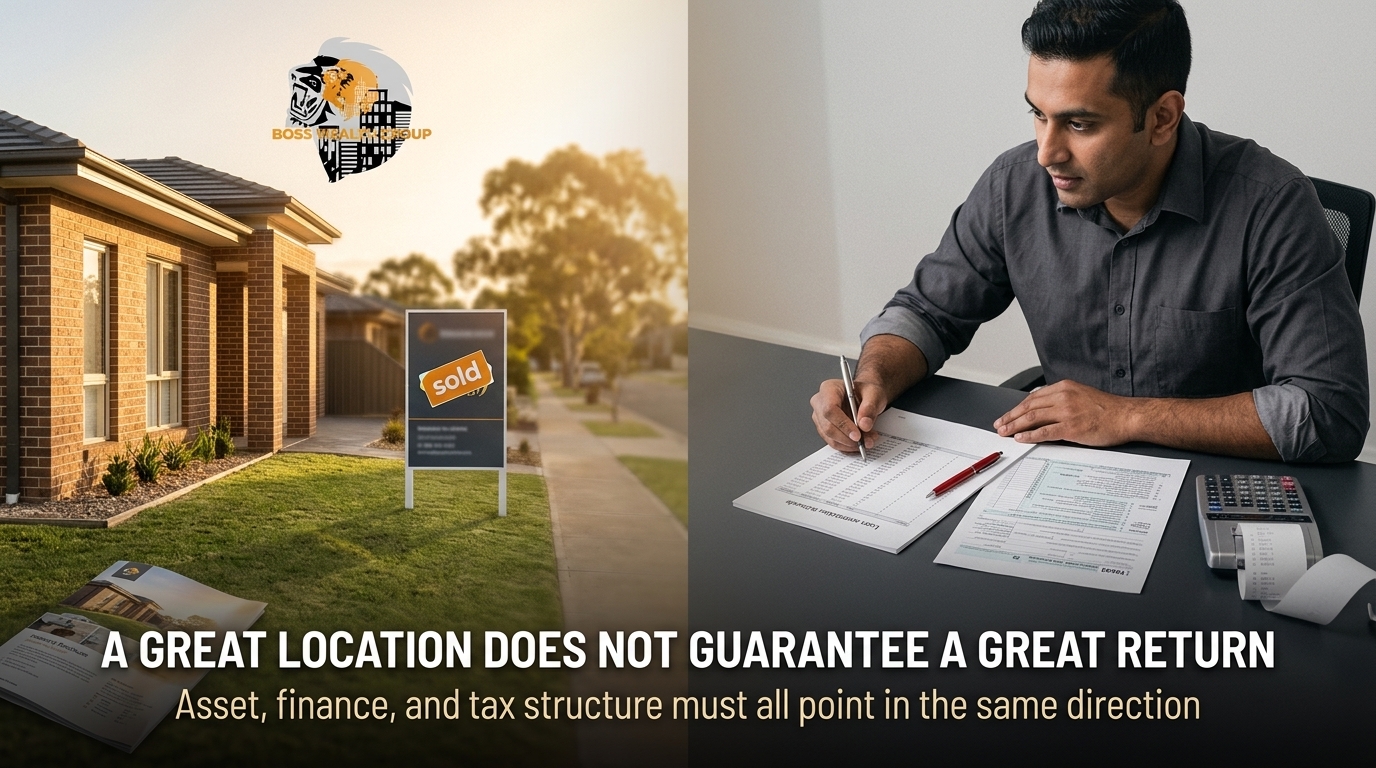
To maximize the benefits of a property investment, align your asset choice with finance and tax strategies.
Crafting an Integrated Wealth Strategy
An integrated wealth strategy looks at the big picture. It means making sure your property choice, financing, and tax strategy all support your goals. By doing so, you can create a cohesive plan that enhances your wealth creation strategy. This approach involves detailed planning and consultation, often revealing opportunities you might have overlooked.
Lending Structure Impact on Returns
Your lending structure is crucial. Opting for a structure that complements your property can protect your cash flow and returns. By choosing the right loan type and terms, you can minimize interest expenses and allocate more funds toward growth. A tailored lending structure can turn a good deal into a great one by preserving your cash flow after tax.
Tax Strategy for Investors
A proactive tax strategy is essential for maximizing returns. Investors must consider strategies such as offset account usage and depreciation schedules to enhance tax efficiency. By focusing on these areas, you can ensure your investment properties are as profitable as possible. A structured approach to tax can unlock potential savings and improve your bottom line.
Screening Property Deals Confidently
Equipped with the right knowledge, you can approach property deals with greater confidence and clarity.
Evaluating Cash Flow After Tax
Understanding your property’s cash flow after tax is key. It’s not just about the income it generates; it’s about what you retain. Using a well-thought-out tax strategy, including depreciation and offset accounts, can significantly impact your net returns. Evaluate all aspects to make informed decisions that align with your financial goals.
Importance of Ownership Structure
The ownership structure of your property can have long-lasting effects. Whether you choose a trust, company, or individual ownership, each has its tax implications. It’s important to consider how these choices affect your overall returns and risk exposure. A well-planned ownership structure can provide both protection and tax advantages.
Booking a Property Strategy Session
Before making any decisions, consider booking a property strategy session. This session offers insights into aligning your property choice with financial and tax strategies, ensuring you make the most informed decisions. By acting now, you can avoid costly mistakes and set the stage for successful property investment. Remember, the longer you wait, the more opportunities you might miss.
Frequently Asked Questions
What is an integrated wealth strategy?
An integrated wealth strategy combines property selection, finance, and tax planning into a cohesive approach that supports your long-term financial goals.
How does lending structure impact property returns?
A tailored lending structure can minimize interest expenses and optimize cash flow, enhancing overall returns from your property investment.
Why is ownership structure important in property investment?
The ownership structure determines tax implications and risk exposure. Choosing the right structure can offer tax advantages and protect your assets.