
A property’s price and location often steal the spotlight, but finance and tax quietly chip away at your returns. Many investors celebrate the deal too soon, missing how lending terms and tax structures can reshape the outcome. An integrated property strategy ties asset, finance, and tax plans together to protect wealth and boost tax efficiency. This Budget Season, you can take control with a coordinated review that reveals the real strength behind any property deal.
The Illusion of a Good Deal
A property may seem like a great investment at first glance, but hidden costs can change the picture. Let’s explore how these costs impact your returns.
Hidden Costs of Finance and Tax
When you purchase a property, the financial terms might appear straightforward. However, it’s crucial to look deeper. Interest rates, loan terms, and hidden fees can increase costs over time. Taxes also play a significant role. If not planned well, they can eat into your profits. For instance, capital gains tax and land tax may surprise you if not factored in early.
Consider a property bought at $500,000. Without proper planning, the taxes and finance charges could end up costing you much more than expected. It’s essential to include these aspects in your calculations to avoid surprises. Remember, understanding these factors can make a big difference in your investment’s success.
Long-Term Wealth vs Short-Term Gains
Short-term gains can be tempting, but they often overshadow the real goal: long-term wealth. It’s easy to focus on immediate profits, but sustainable growth requires more. A quick gain might seem attractive, yet it rarely guarantees future security.
Think about the bigger picture. Would you prefer a small gain now or a substantial wealth increase over time? Long-term strategies consider factors like market trends, tax implications, and financial stability. By prioritizing these, you secure not just an immediate win, but a foundation for ongoing success.
Integrated Property Strategy Essentials

To make your property investment truly effective, you need an integrated approach. This involves aligning asset management with lending and tax strategies.
Coordinated Asset and Lending Structure
A well-coordinated structure is key to successful property investment. It involves aligning your assets with your lending terms. This means choosing the right loan type and understanding how it impacts your overall strategy.
For example, consider the benefits of different loan structures. A fixed-rate loan provides stability, while a variable-rate loan offers flexibility. Your choice should match your financial goals and risk tolerance. With the right structure, you optimize both asset growth and financial health.
Tax Efficient Property Investment Tips
Taxes can be complex, but with the right approach, you can minimize their impact. Start by exploring tax-efficient investment options.
Consider negative gearing vs. positive cash flow. While negative gearing offers tax deductions, positive cash flow can provide steady income. Assess your situation to determine which suits your needs best.
Additionally, explore options like trusts or company structures for asset protection and tax benefits. These structures can offer significant advantages, ensuring your investments are both profitable and secure.
Testing Your Property Strategy
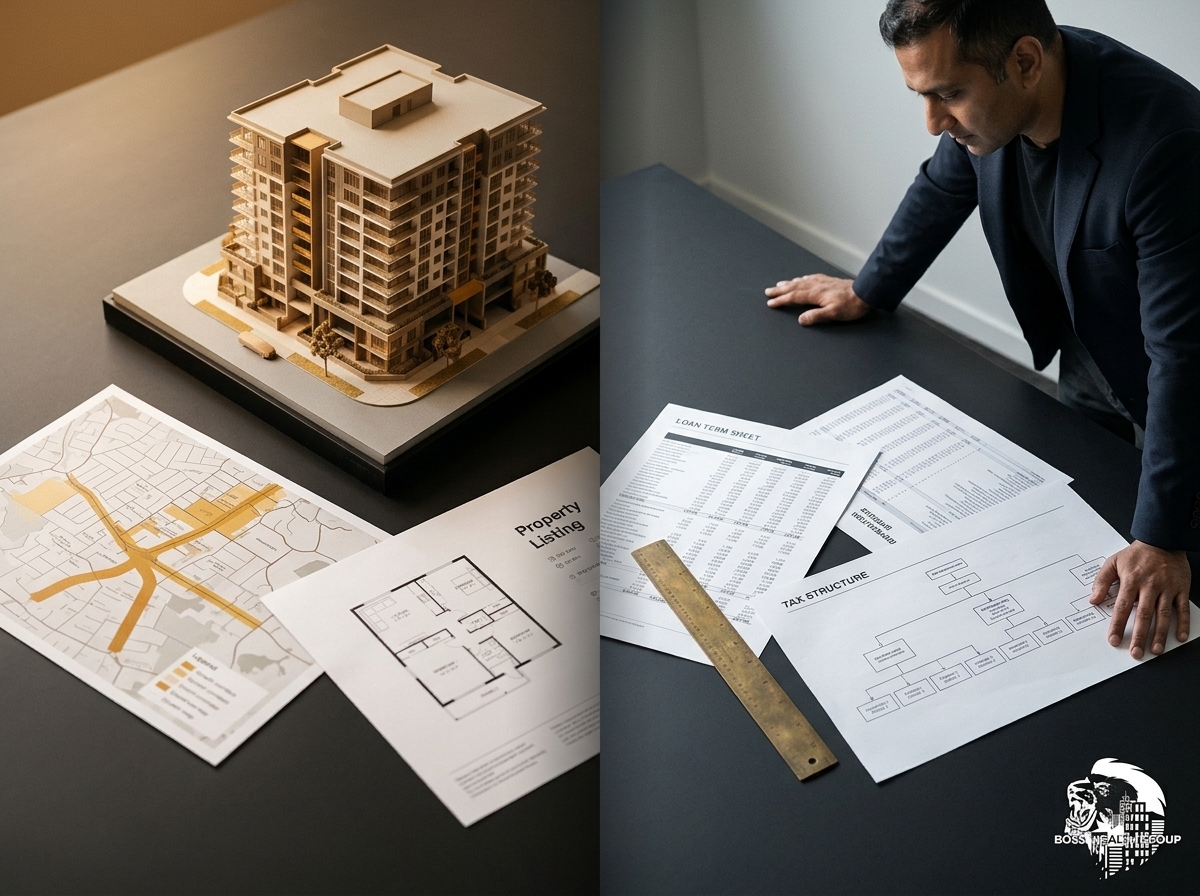
Once your strategy is in place, it’s crucial to test and refine it. This ensures your property decisions remain effective and aligned with your goals.
Property Finance Structuring Insights
Understanding how to structure your property finance is essential. This means evaluating your financial health and ensuring your loans support your investment strategy.
Cash flow is a critical factor. Regularly assess your income and expenses to ensure your property remains profitable. This involves creating accurate cash flow models to predict future trends. With these insights, you can make informed decisions, adjust strategies, and maintain financial stability.
Cash Flow Modelling for Future Growth
To ensure long-term success, model your cash flow. This involves forecasting your income against expected expenses. By understanding these dynamics, you can plan for growth and avoid potential pitfalls.
A well-structured model helps you anticipate market changes and make proactive adjustments. It also provides a clear picture of your financial position, enabling strategic decisions that promote sustainable growth.
Frequently Asked Questions
What are the hidden costs in property investment?
Property investment can have hidden costs like taxes, loan fees, and maintenance charges. These can significantly impact your returns if not accounted for upfront.
How can I make my property investment tax-efficient?
To enhance tax efficiency, consider strategies like negative gearing or using a trust structure. Each has unique benefits that can reduce your overall tax burden.
Why is an integrated property strategy important?
An integrated strategy aligns your asset, lending, and tax plans. This coordination ensures each decision supports the next, enhancing long-term wealth and stability.
What should I consider in property finance structuring?
Focus on loan types, interest rates, and cash flow. Analyze how these elements fit into your broader financial goals to optimize your property finance structure.
How can cash flow modelling benefit my investment?
Cash flow modelling helps forecast expenses and income. This prepares you for future financial challenges and opportunities, ensuring sustained growth and profitability.